Understanding Planning

From validation to decision, here's what happens after you submit your application and how Planda Portal helps you navigate each stage with confidence.

What is planning permission?

Planning permission is the formal approval from your local planning authority that allows a proposed change to land or buildings. Whether that’s a home extension, a new development or a change of use - to go ahead lawfully.
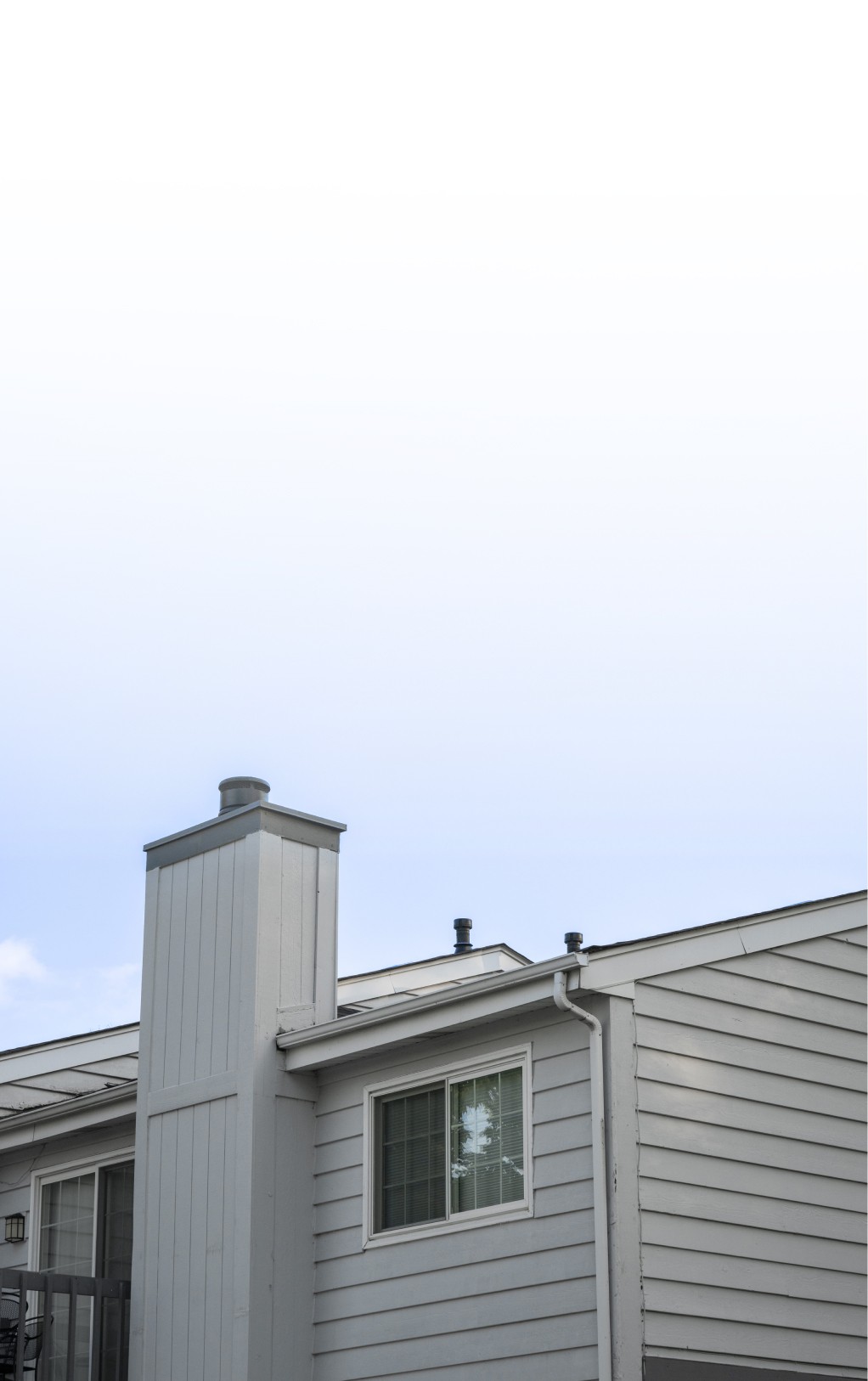

Planning Permission

Required for larger projects - loft conversions, extensions, new builds, major alterations, or changing a property functionality.

Planning Permission

Required for larger projects - loft conversions, extensions, new builds, major alterations, or changing a property functionality.

Planning Permission

Required for larger projects - loft conversions, extensions, new builds, major alterations, or changing a property functionality.

A sunlit, white picket fence casts gentle shadows on a vibrant green lawn, creating a serene and inviting outdoor setting.
Permitted Development

No planning permission required. Covers smaller works - garden structures, fences or walls, and minor exterior changes - that meet set size and design limits.

A sunlit, white picket fence casts gentle shadows on a vibrant green lawn, creating a serene and inviting outdoor setting.
Permitted Development

No planning permission required. Covers smaller works - garden structures, fences or walls, and minor exterior changes - that meet set size and design limits.

A sunlit, white picket fence casts gentle shadows on a vibrant green lawn, creating a serene and inviting outdoor setting.
Permitted Development

No planning permission required. Covers smaller works - garden structures, fences or walls, and minor exterior changes - that meet set size and design limits.

A lush, green park landscape features a large, leafy tree at its center, with a bright, clear sky overhead, capturing the essence of a peaceful outdoor setting.
Special Protection

Some areas are specially protected from certain developments:

  • National Parks, Areas of Outstanding Natural Beauty (AONBs)

  • Green Belt zones

  • Important nature/wildlife sites

  • Historic or heritage-rich places like listed buildings

A lush, green park landscape features a large, leafy tree at its center, with a bright, clear sky overhead, capturing the essence of a peaceful outdoor setting.
Special Protection

Some areas are specially protected from certain developments:

  • National Parks, Areas of Outstanding Natural Beauty (AONBs)

  • Green Belt zones

  • Important nature/wildlife sites

  • Historic or heritage-rich places like listed buildings

A lush, green park landscape features a large, leafy tree at its center, with a bright, clear sky overhead, capturing the essence of a peaceful outdoor setting.
Special Protection

Some areas are specially protected from certain developments:

  • National Parks, Areas of Outstanding Natural Beauty (AONBs)

  • Green Belt zones

  • Important nature/wildlife sites

  • Historic or heritage-rich places like listed buildings

Understanding Development Plans:

A Development Plan is the local authority’s official blueprint for land use and development. When you apply for planning permission, your proposals are checked against this plan - including building size, use, siting, layout, access and impact - to see if they comply with local policies and guidance.

A local plan is the key document produced by your local planning authority that sets out planning policies and land allocations for the area, identifying where new homes, businesses and infrastructure can go, while protecting important green spaces and heritage. It is prepared with public consultation, independently examined, and once adopted becomes the main basis for determining planning applications.

Please note:

Most applications are decided by planning officers, while larger or contentious cases go to a committee of councillors who make the final decision. Outcomes must follow planning policy and material considerations, not the level of public opposition.

Please note:

Most applications are decided by planning officers, while larger or contentious cases go to a committee of councillors who make the final decision. Outcomes must follow planning policy and material considerations, not the level of public opposition.

Please note:

Most applications are decided by planning officers, while larger or contentious cases go to a committee of councillors who make the final decision. Outcomes must follow planning policy and material considerations, not the level of public opposition.

Do I need an architect?

Once you know your project requires planning permission, the next step is preparing drawings, site plans and supporting documents that meet design, technical and planning standards.

A registered architect can guide the process, ensure work is professionally prepared, and help you meet the requirements for a successful application.

A woman examines a detailed architectural model of modern skyscrapers on a wooden table, with blueprints and laptops nearby in a well-lit room.

Architects can help with:

Preparing layout, elevation and site plans for applications

Preparing layout, elevation and site plans for applications

Advising what’s achievable within planning rules

Advising what’s achievable within planning rules

Meeting technical, safety and building-control requirements

Meeting technical, safety and building-control requirements

Producing accurate, compliant drawings and visual plans

Producing accurate, compliant drawings and visual plans

Designing extensions, alterations or new builds

Designing extensions, alterations or new builds

Helping resolve constraints

Helping resolve constraints

How long does it take?

From validation to decision, here's what happens after you submit your application, and how Planda Portal helps you navigate each stage with confidence.

Validation

Consultation

Permission granted

If Delayed or Refused

Validation

Once submitted, your local planning authority (LPA) checks your application is complete before formal processing begins. This prevents delays later.

What's checked:

Standard forms, mandatory national requirements, and local list items.

Timelines

3-5 working days for minor applications, up to 10 days for major ones.
Once validated, you receive confirmation, an application reference number, and your case appears on the public planning register.

Your responsibilities

Submit complete, accurate information upfront. If a non-validation decision seems unreasonable, discuss it or escalate under Article 12 (DMPO 2015). Appeals for non-determination are possible in rare cases.

Validation

Consultation

Permission granted

If Delayed or Refused

Validation

Once submitted, your local planning authority (LPA) checks your application is complete before formal processing begins. This prevents delays later.

What's checked:

Standard forms, mandatory national requirements, and local list items.

Timelines

3-5 working days for minor applications, up to 10 days for major ones.
Once validated, you receive confirmation, an application reference number, and your case appears on the public planning register.

Your responsibilities

Submit complete, accurate information upfront. If a non-validation decision seems unreasonable, discuss it or escalate under Article 12 (DMPO 2015). Appeals for non-determination are possible in rare cases.

Validation

Consultation

Permission granted

If Delayed or Refused

Validation

Once submitted, your local planning authority (LPA) checks your application is complete before formal processing begins. This prevents delays later.

What's checked:

Standard forms, mandatory national requirements, and local list items.

Timelines

3-5 working days for minor applications, up to 10 days for major ones.
Once validated, you receive confirmation, an application reference number, and your case appears on the public planning register.

Your responsibilities

Submit complete, accurate information upfront. If a non-validation decision seems unreasonable, discuss it or escalate under Article 12 (DMPO 2015). Appeals for non-determination are possible in rare cases.

Ready to start your planning application?

Join thousands of homeowners and developers who've simplified their planning journey

Ready to start your planning application?

Join thousands of homeowners and developers who've simplified their planning journey

Ready to start your planning application?

Join thousands of homeowners and developers who've simplified their planning journey

Advertisement
Advertisement
Advertisement
Advertisement